Fire

Fire Element Stones

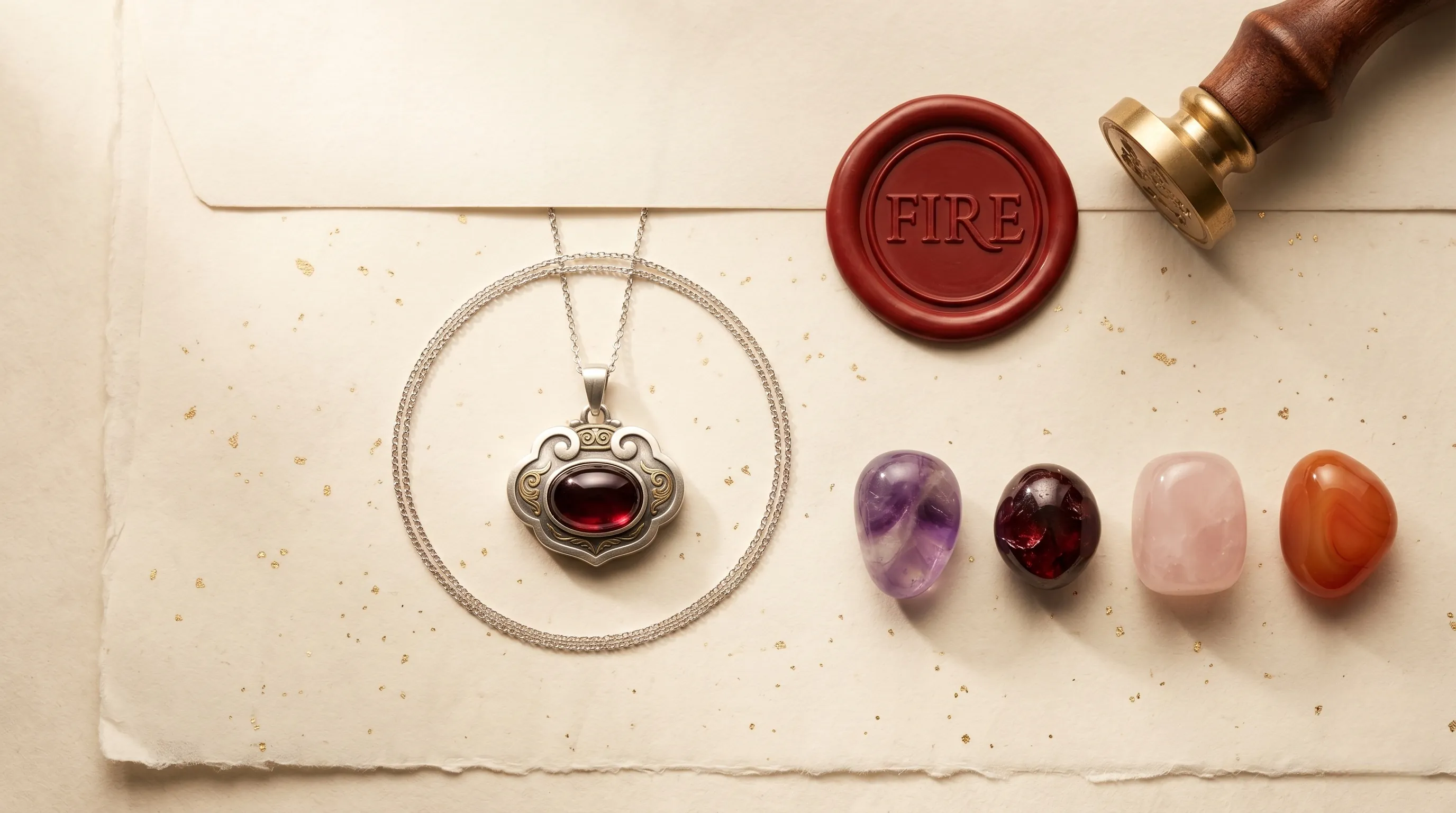
Fire is the function that converts direction into presence — the heat of contact, the moment something stops being potential and starts being real. The stones below carry the Fire color signature: red, deep purple, pink, the warm end of orange. Some of these will surprise readers raised on Western crystal traditions.

The classification method is on the /crystals hub. This page applies it.

Fire Element Stones Collection

Who these stones are for

  • · Your chart shows Fire running low — disconnection, going through the motions, presence feels thin.
  • · Your Wood is running too strong — too many directions started, not enough actually arriving. Fire turns direction into contact.
  • · You're moving into a visibility season in life — launching something, returning to an audience, leading a room. Fire stones cue that warmth at the body level.

Not sure where your Fire sits? Balance states walks through how to read it.

The Ten

The Fire Stones We Recommend

Carnelian

Carnelian

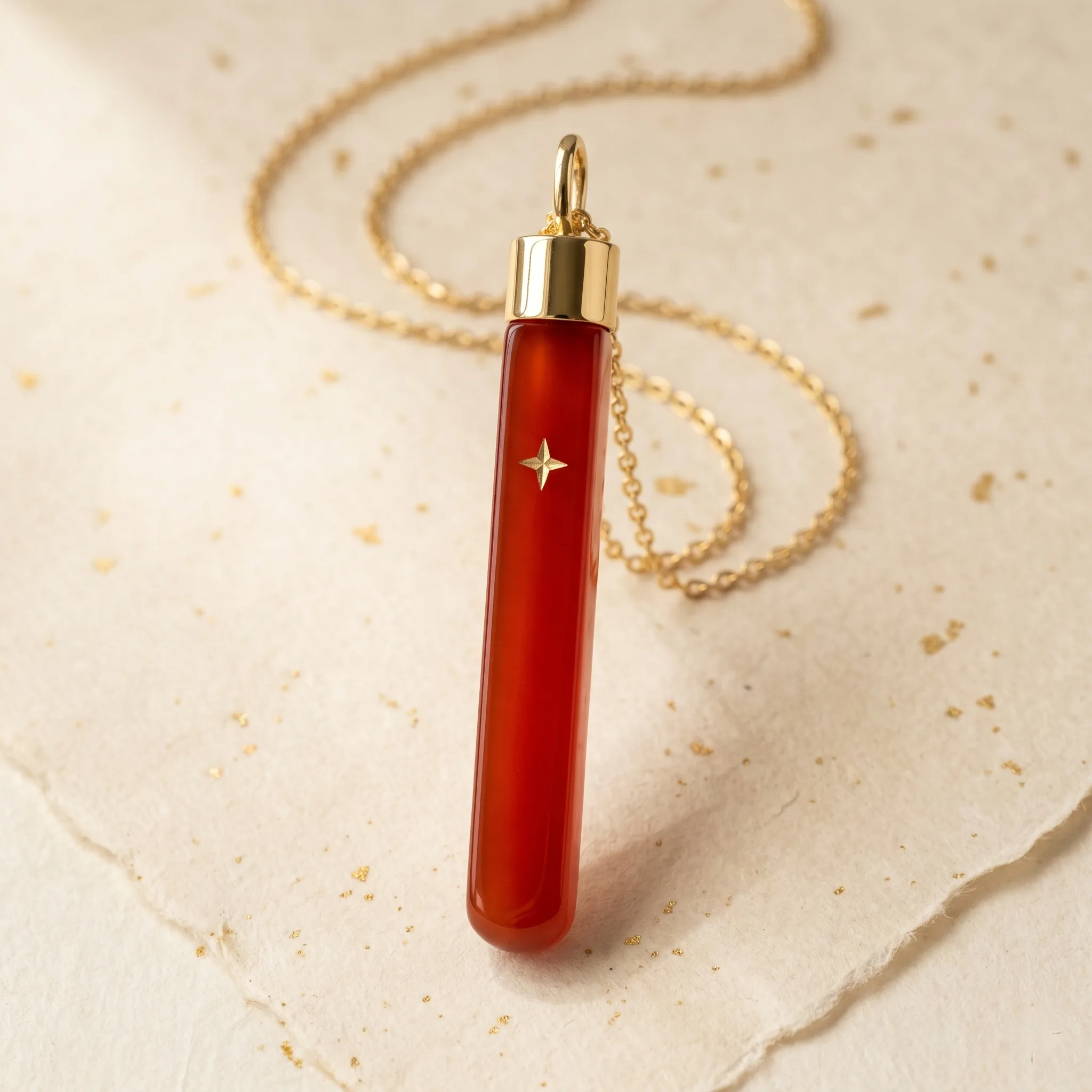
Translucent red-orange chalcedony, ranging from soft peach to deep blood-orange. One of the most ancient gemstones in human use — found in royal Sumerian burials, Egyptian amulets, and Roman signet rings.

When to wear: The everyday Fire stone. Reach for it when Fire is running low — flat affect, can't get excited about anything, motivation pooled and not flowing. Builds warmth gradually rather than igniting fast.
When to skip: If you're already running too hot — irritable, can't cool down, sleep already disrupted — adding more Fire is the wrong direction. Choose a Water stone.
Keyword · warmth returning
Red Jasper

Red Jasper

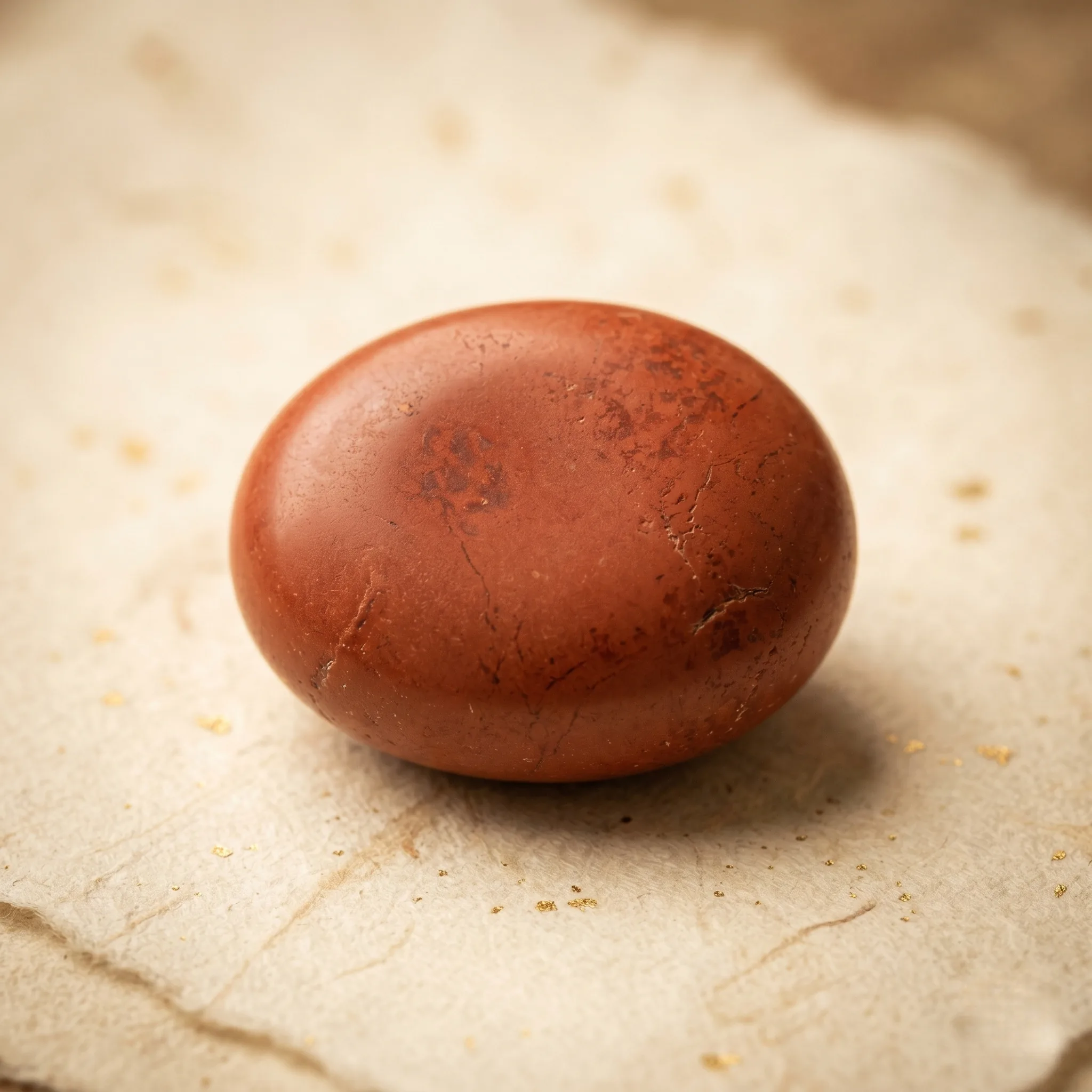
Opaque brick-red to brownish-red, often with darker streaks or matrix patches. Heavier and more grounded than Carnelian, with a soil-and-iron color story instead of citrus glow.

When to wear: Fire that holds its ground. Useful in seasons that need steady warmth without overheating — long projects requiring sustained energy, recovery periods after burnout where Fire needs to come back slowly.
When to skip: If you want bright, joyful Fire, Red Jasper reads too grounded — choose Sunstone or Carnelian instead.
Keyword · grounded heat
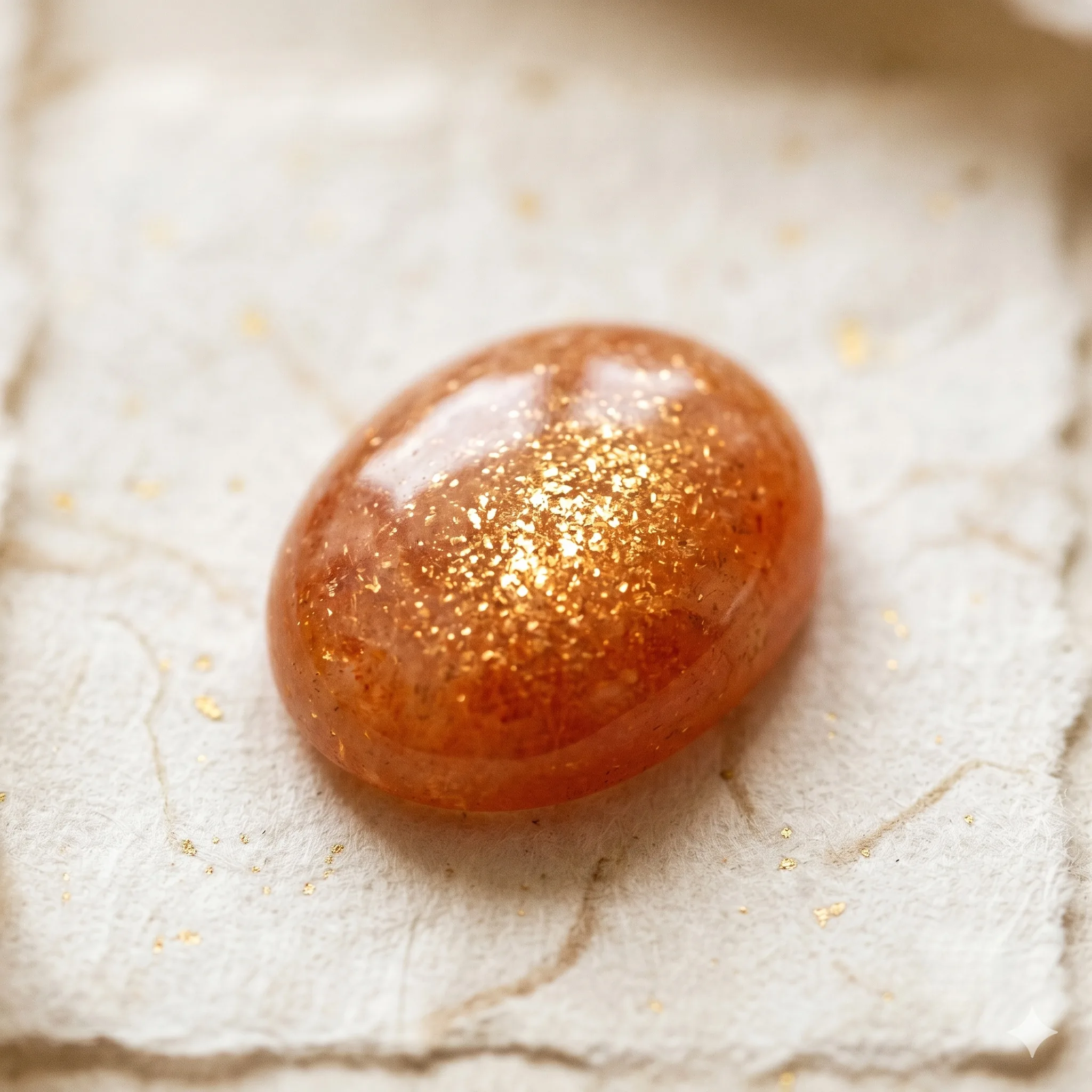
Sunstone

Sunstone

Translucent orange-red feldspar with metallic copper inclusions that flash when the stone catches light (aventurescence). The visual effect reads like trapped sparks — light moving through the stone as it turns.

When to wear: Fire with celebration in it. Useful for joy, social warmth, creative work that wants to be seen. The flash brings energy to gatherings and presentations.
When to skip: For introspective Fire work — grief that needs warmth without performance, private courage — Sunstone reads too public. Choose Carnelian instead.
Keyword · joyful warmth
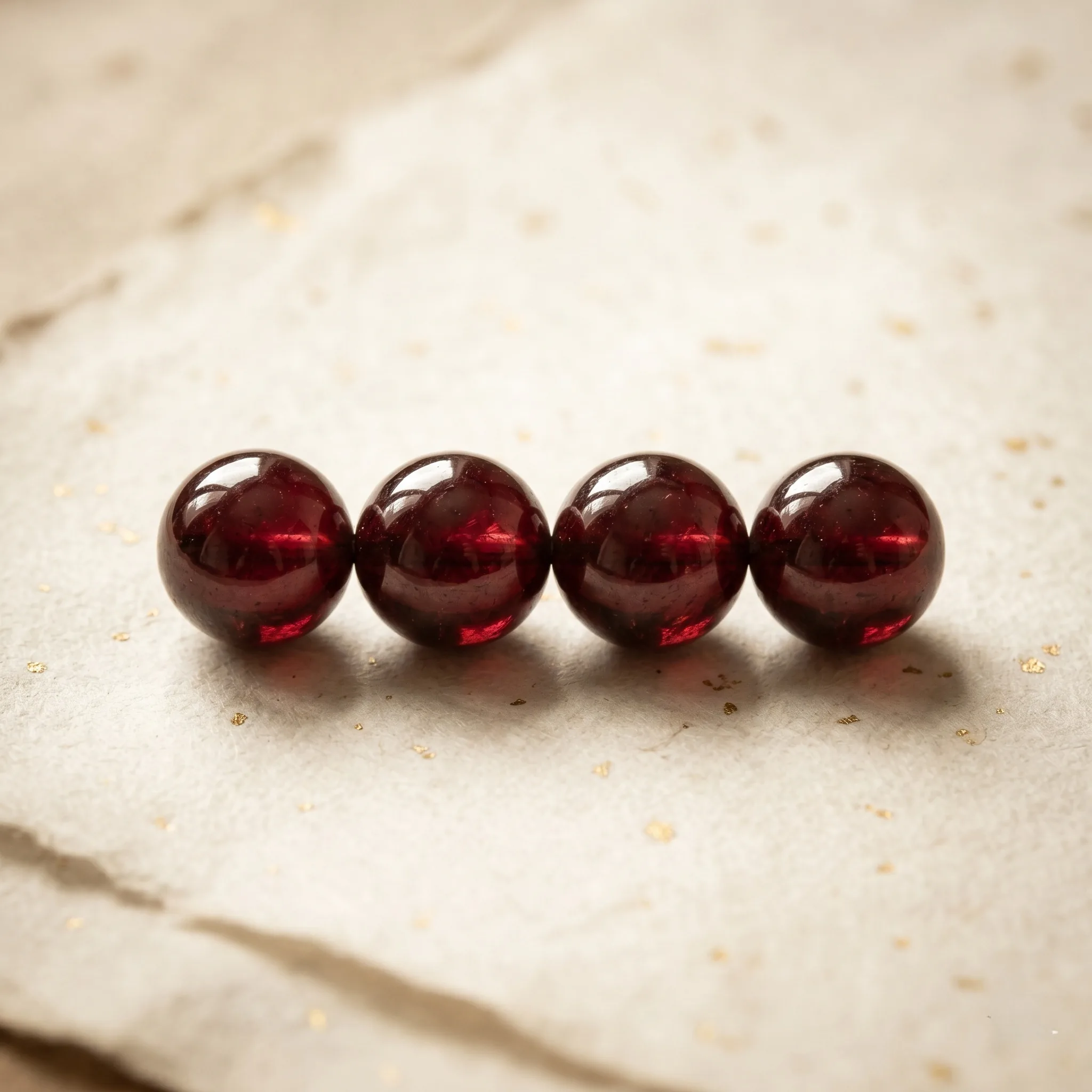
Garnet

Garnet

Deep wine-red to crimson translucent crystals (the almandine and pyrope varieties most common in jewelry). Hard, durable, gem-quality — distinct from the softer, opaque red stones in this category.

When to wear: Daily-wear Fire for those who want their Fire to look gem-quality. The deeper red tone makes it pair easily with formal wear; the hardness (Mohs 7-7.5) survives daily knocks.
When to skip: If you want bright, orange Fire, Garnet reads too cool and wine-toned. Reach for Carnelian or Sunstone instead.
Keyword · refined fire
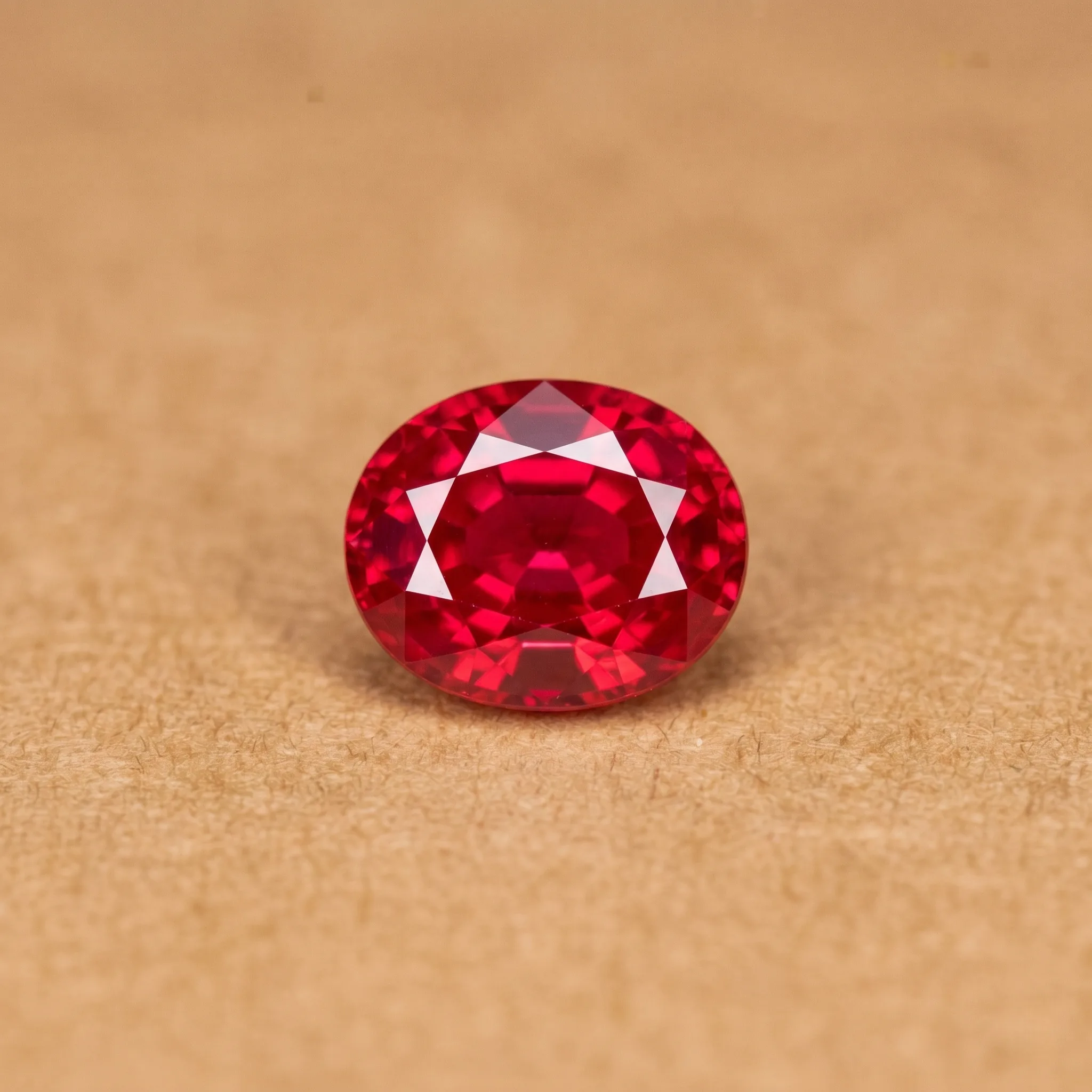
Ruby

Ruby

Pigeon-blood red corundum — the same mineral family as sapphire, only red. Hardness 9 (just below diamond). Historically associated with royalty, courage, and life force across cultures.

When to wear: Fire at its most concentrated. Reserved for the moments that need it most — public-facing presentations, courage to walk into a hard conversation, claiming a position you have earned but haven't named.
When to skip: High-cost stone — not for casual daily wear. If you want everyday Fire support, use Carnelian or Red Jasper instead.
Keyword · concentrated courage
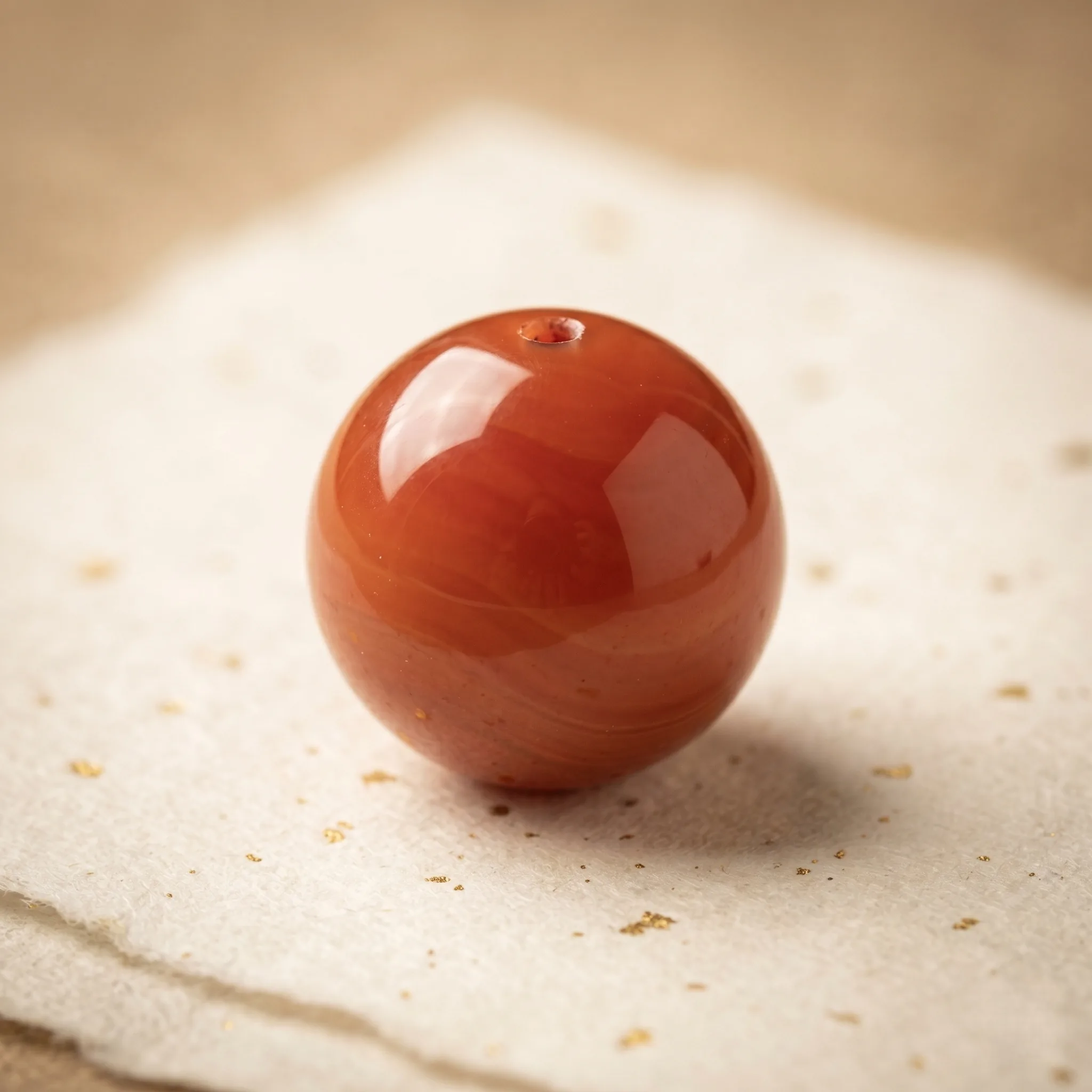
South-Red Agate

South-Red Agate

Opaque to slightly translucent saturated red — a uniquely Chinese variety mined in Yunnan and Sichuan. Color reads warmer and more orange-toned than Western "red agate" varieties; in the Chinese trade, it's the gold standard for red chalcedony.

When to wear: Fire with old-world warmth. Carries cultural weight in Chinese contexts — a polite, traditional Fire that fits formal occasions and contemplative wear.
When to skip: For Western contexts where this variety isn't known, Carnelian or Red Jasper read more universally as "red gemstone."
Keyword · classical warmth
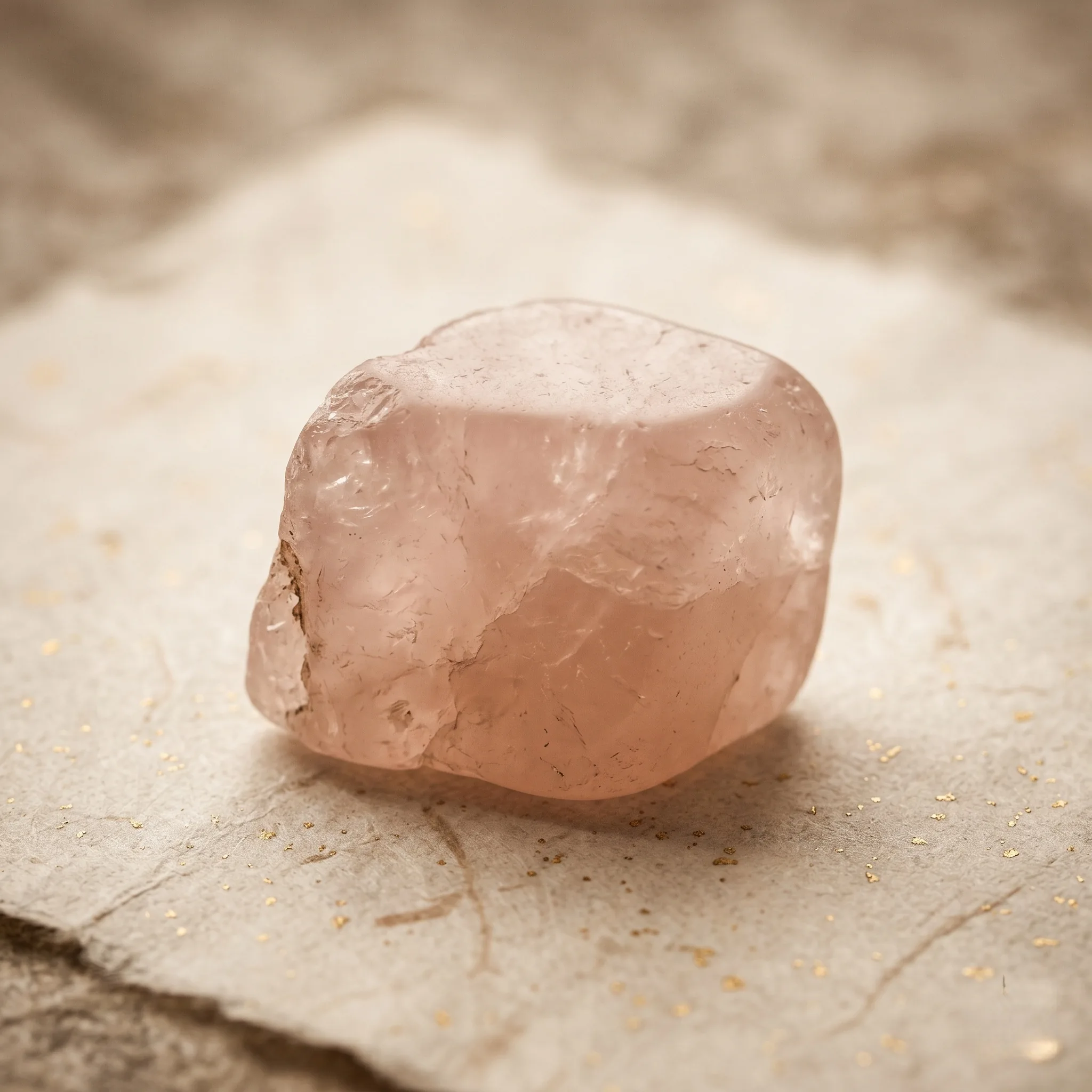
Rose Quartz

Rose Quartz

Translucent pale-pink quartz, sometimes with cloud-like internal milkiness. Often called the "love stone" in Western traditions — read here as a soft, low-temperature Fire (pink as Fire's lighter end of the spectrum).

When to wear: Fire with softness. Useful for relational warmth — repairing connection, opening to receiving care, the kind of Fire that wants to be tender rather than bright.
When to skip: For motivational or performance-related Fire, the softness reads too gentle. Use Carnelian or Sunstone instead.
Keyword · soft warmth
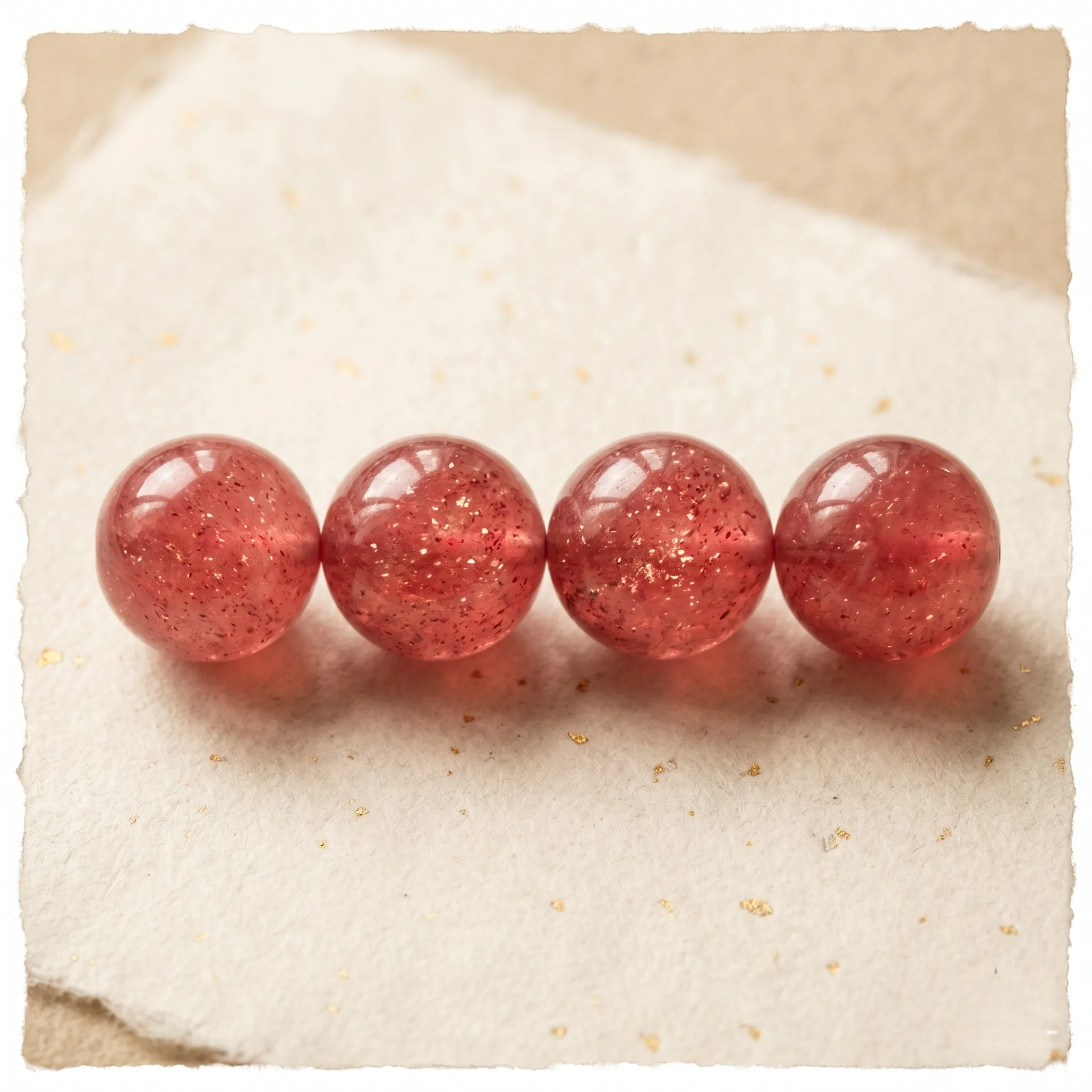
Strawberry Quartz

Strawberry Quartz

Translucent pink-red quartz with fine lepidocrocite inclusions that sparkle like tiny seeds suspended in the stone — hence the name "strawberry." A contemporary Chinese-market favorite.

When to wear: A youthful, playful Fire option. Useful for new social situations, creative collaboration, the kind of warmth that wants to invite rather than overwhelm.
When to skip: For serious or grounded Fire work — long endurance, sustained focus — choose a deeper red stone like Garnet or Red Jasper.
Keyword · playful warmth
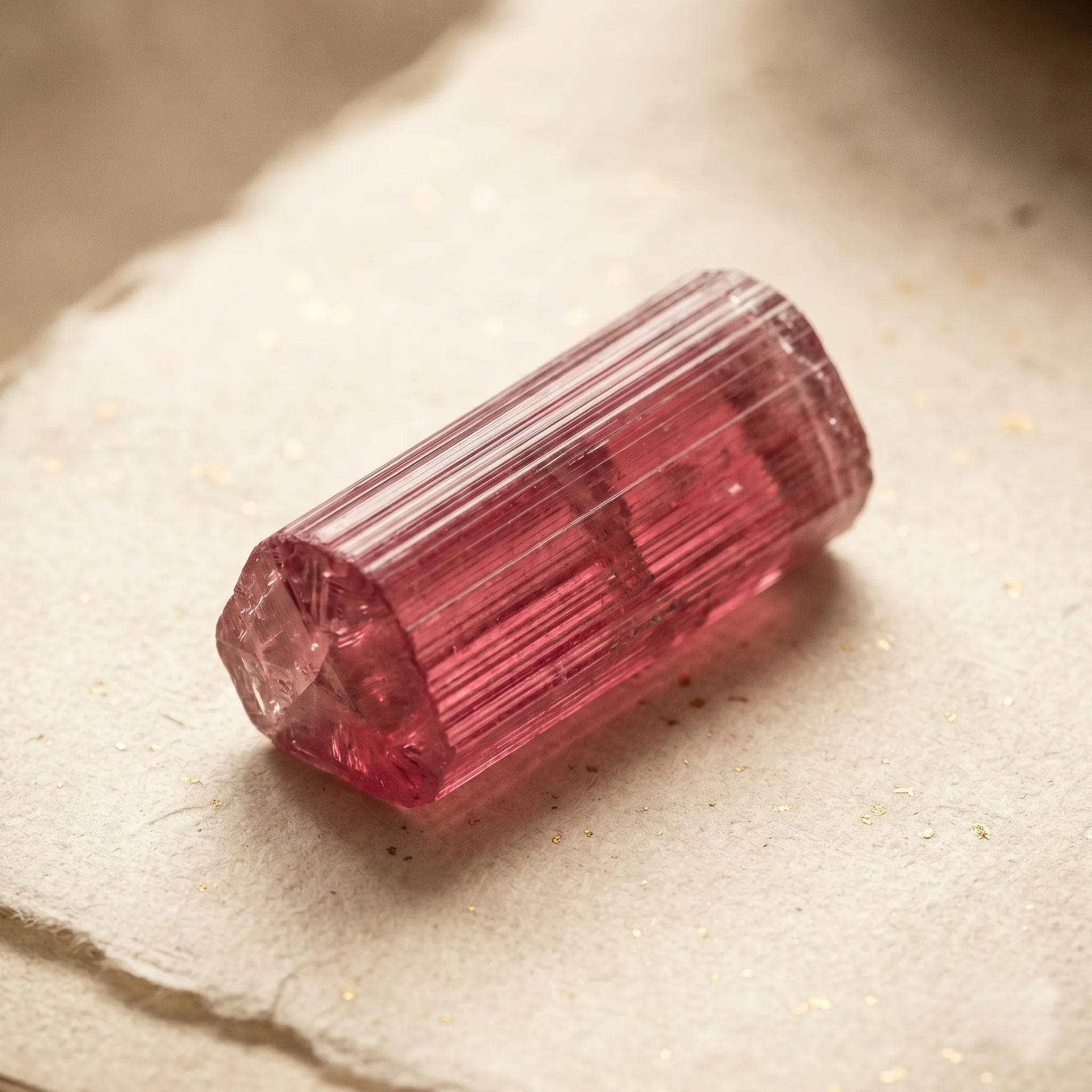
Pink Tourmaline

Pink Tourmaline

Transparent pink to magenta tourmaline crystals (the elbaite variety). Forms in long prismatic crystals with characteristic vertical striations. Stronger pink than Rose Quartz, with gem-grade clarity.

When to wear: Fire when pink rather than red is the right register. Useful for emotional resilience seasons — Fire that warms the inner experience without broadcasting outward.
When to skip: For high-visibility Fire work — presentations, leadership moments — choose Ruby or Carnelian.
Keyword · inner warmth
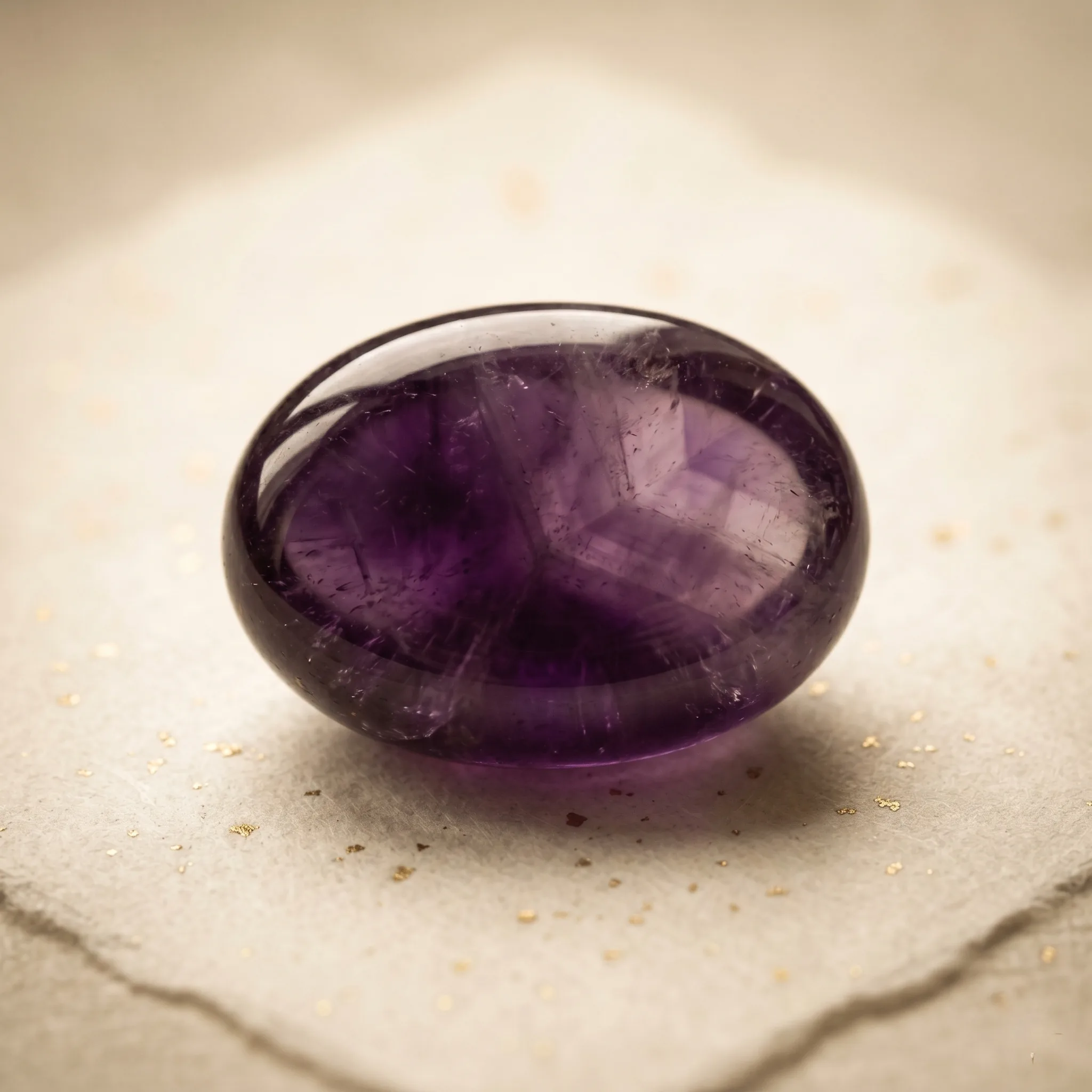
Amethyst

Amethyst

Transparent purple quartz, ranging from pale lavender to deep violet. Color comes from iron impurities plus natural radiation. In Born Element's reading, the purple sits at the cool/spiritual end of Fire — a Fire that meditates rather than dances.

When to wear: Fire that turns inward. Useful for spiritual practice, contemplative seasons, the kind of warmth that builds at the edges of awareness rather than the center.
When to skip: For practical, action-oriented Fire — motivation to move, energy to do — the contemplative tilt is the wrong register. Choose Carnelian.
Keyword · contemplative fire

Mixed Bracelets

Pairing Fire Stones with Other Elements

Fire + Wood · Generating cycle

Wood feeds Fire — growth provides the fuel for transformation. Pairing Amethyst with a Wood stone (Green Phantom, Malachite) is used when Fire is running low and you want the direction-finding function of Wood to bring the heat back up gradually.

Fire + Water · Controlling cycle

Water contains Fire when Fire is running too hot. Pairing Carnelian with Aquamarine is used when warmth and presence need a counterweight — when the wearer wants intensity without burning out the people around them.

For more combinations across the cycles, see the Stone Combinations section on the hub.

Reverse Direction

Avoid these if your Fire is already running strong

If your chart shows Fire running excessive — burning out, can't sleep, overwhelming the people around you, irritability that doesn't resolve — adding more Fire-feeding stones turns the heat into a problem.

Skip Wood stones on Fire-strong days. Wood feeds Fire. Wearing Malachite or Green Phantom when Fire is already overrunning adds fuel to a flame that needs cooling.

Reach instead for Water stones. Aquamarine, Lapis Lazuli, or Snowflake Obsidian contain Fire through the controlling cycle — they don't extinguish the warmth, they give it banks.

Cultural Notes

Fire in the Tradition

In Chinese tradition Fire is associated with summer, the south, midday, the heart, and the small intestine. Its emotion is joy — but joy in the older sense of expansive presence, not pleasure-seeking.

Fire is the element of contact — the warmth that lets two things meet without one consuming the other. The stones in this color signature carry the quality of presence that arrives. They are not for hiding or holding back; they are for the moments that need to be seen.

Match it to your chart

Your bazi tells you whether Fire needs feeding, containing, or to be left alone.

The $19.9 Personal Support Report reads your full chart and tells you whether the Fire stones above belong on you — or whether your chart is asking for something else entirely.

Get your Personal Support Report →

Note: These descriptions reflect traditional Chinese five-element associations and historical stone folklore. They are cultural references, not medical or psychological advice. If you're dealing with health issues, please consult a qualified professional.

Last updated · 2026-05-15